
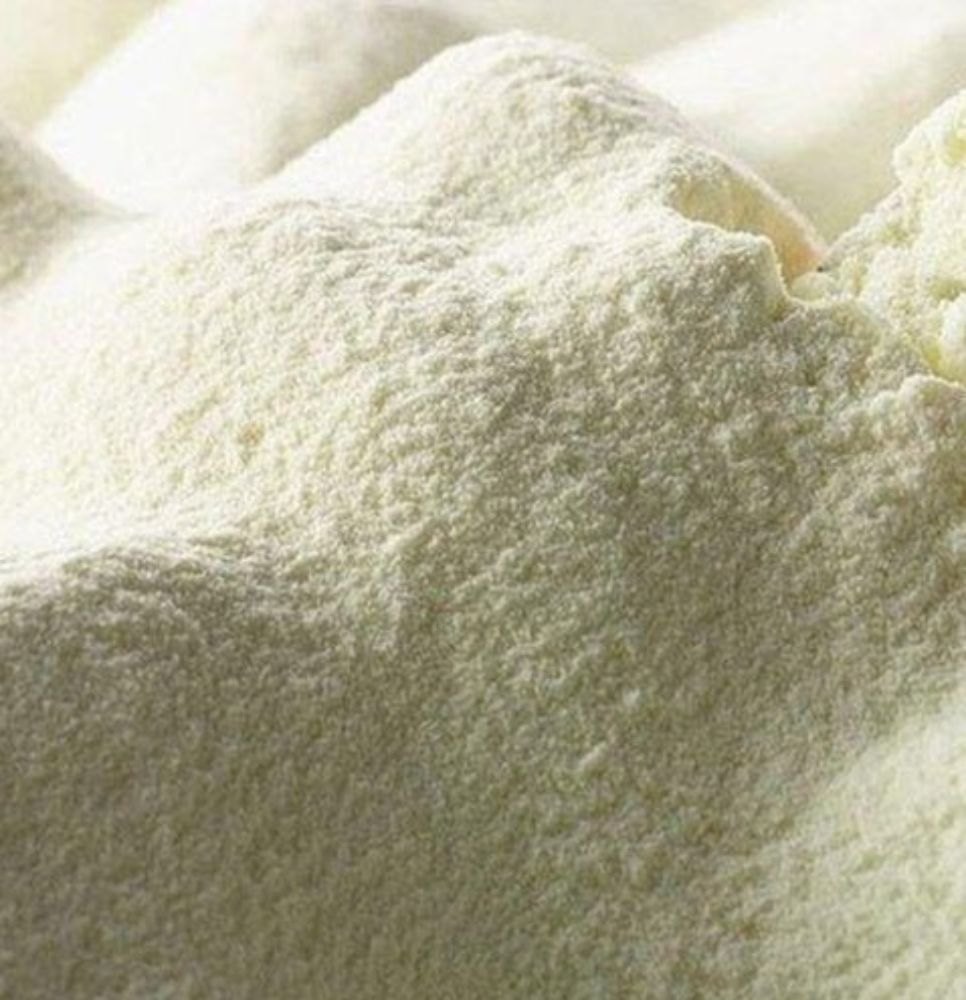
Skimmed Milk Powder
Skimmed Milk Powder (SMP) is produced by evaporating water from pasteurized skim milk. It contains less than 1.5% milkfat and 34-37% protein. Highly soluble and nutrient-dense, SMP is used in bakery, confectionery, dairy beverages, ice cream, infant formula, and as a protein fortifier in processed foods. Available in instant (agglomerated) or non-instant forms.
Key Features:
- High Protein: Minimum 34% true protein.
- Low Fat: Typically 0.5% - 1.25%.
- Long Shelf Life: 12-24 months when packaged properly.
- Excellent Solubility: Instant varieties reconstitute quickly in cold water.
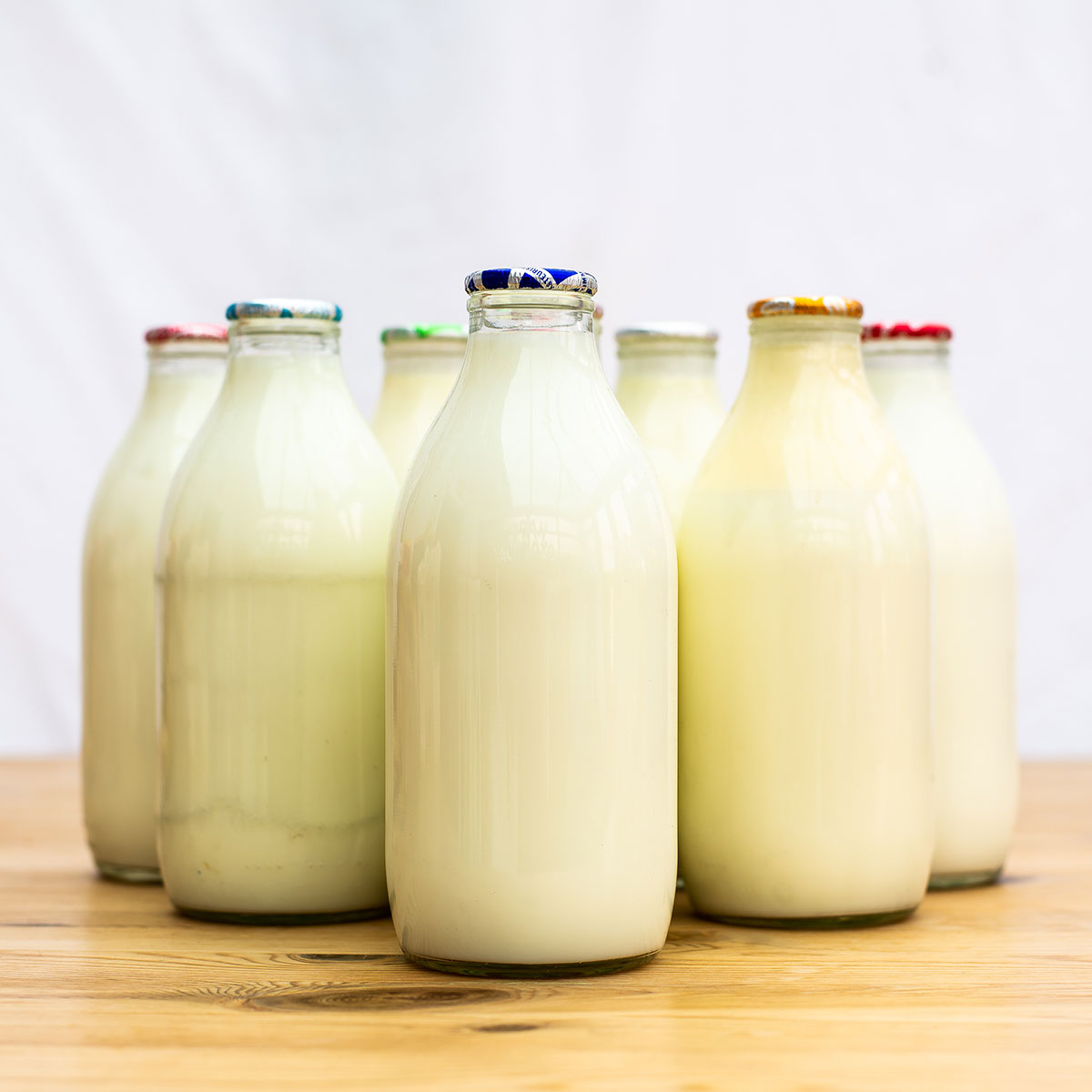
Dairy Milk
Dairy milk is fresh, pasteurized, and homogenized cow's milk available in various fat contents. Whole milk (3.5% fat), semi-skimmed (1.5-1.8%), and skimmed (<0.3%). It is a complete food containing high-quality protein, calcium, vitamin D, and B vitamins. Sourced from healthy, grass-fed or grain-fed herds under strict hygiene standards. Available as fresh or UHT (long-life) milk.
Key Features:
- Standardized Fat: Customizable to market requirements.
- High Microbial Safety: Pasteurized (72°C/15s) or UHT (135°C/2-5s).
- Homogenized: Prevents cream separation.
- Fresh or Long Life: Refrigerated or ambient storage options.
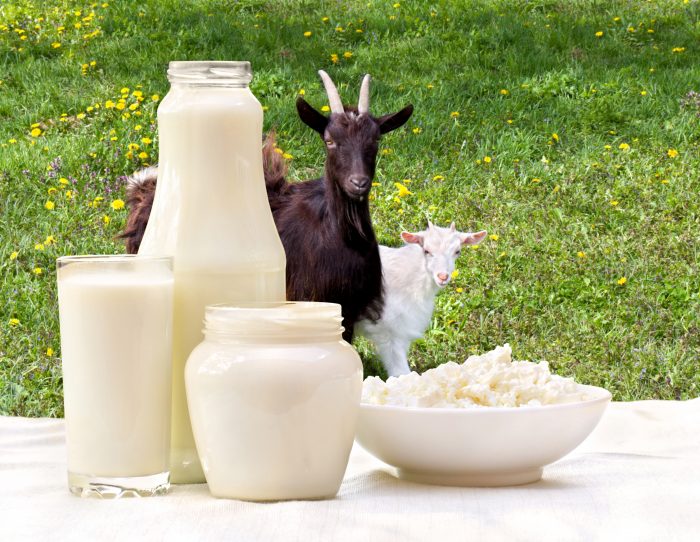
Goat Milk
Goat milk is a highly digestible, nutrient-rich alternative to cow milk, naturally homogenized with smaller fat globules. It contains A2 beta-casein protein (similar to human milk), making it easier on digestion for some individuals with cow milk sensitivity. Rich in medium-chain triglycerides (MCTs), calcium, and selenium. Used for drinking, cheesemaking (chèvre), yogurt, and infant formula.
Key Features:
- Easier Digestion: Naturally homogenized, smaller fat globules.
- A2 Protein: Lower allergenic potential than A1 cow milk.
- Higher MCTs: Quick energy source.
- Distinct Taste: Slightly sweet, gamey, richer mouthfeel.
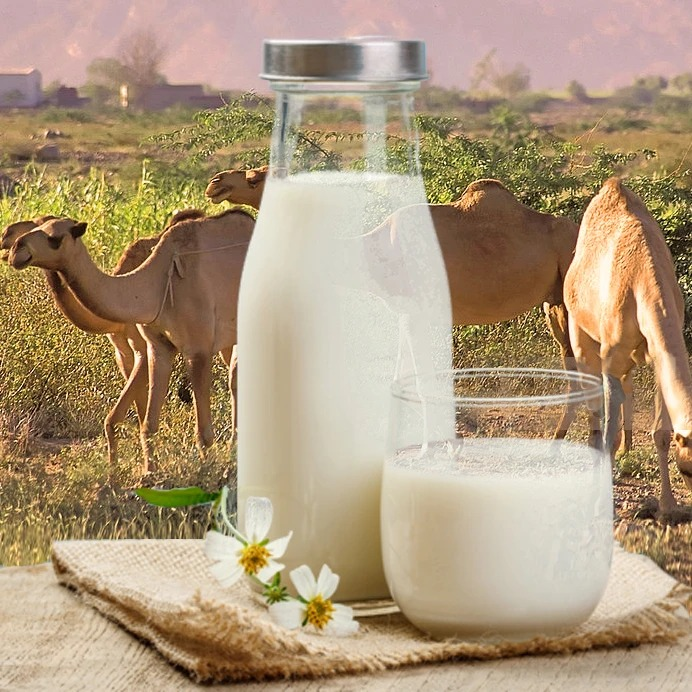
Camel Milk
Camel milk is a nutrient-dense, low-allergenic milk traditionally consumed in Middle Eastern, African, and Asian cultures. It has a slightly salty taste, lower lactose than cow milk (2.5-3%), and 3-5% fat. Rich in insulin-like protein, lactoferrin, immunoglobulins, and vitamin C (3-5x higher than cow milk). Used for drinking, fermented products (susu), and increasingly in functional foods and cosmetics.
Key Features:
- Low Allergenicity: Lacks beta-lactoglobulin and A1 casein.
- Natural Functional Properties: High lactoferrin and protective proteins.
- Better Insulin Profile: May benefit metabolic health.
- Distinct Salty Flavor: Not sweet like cow milk.