
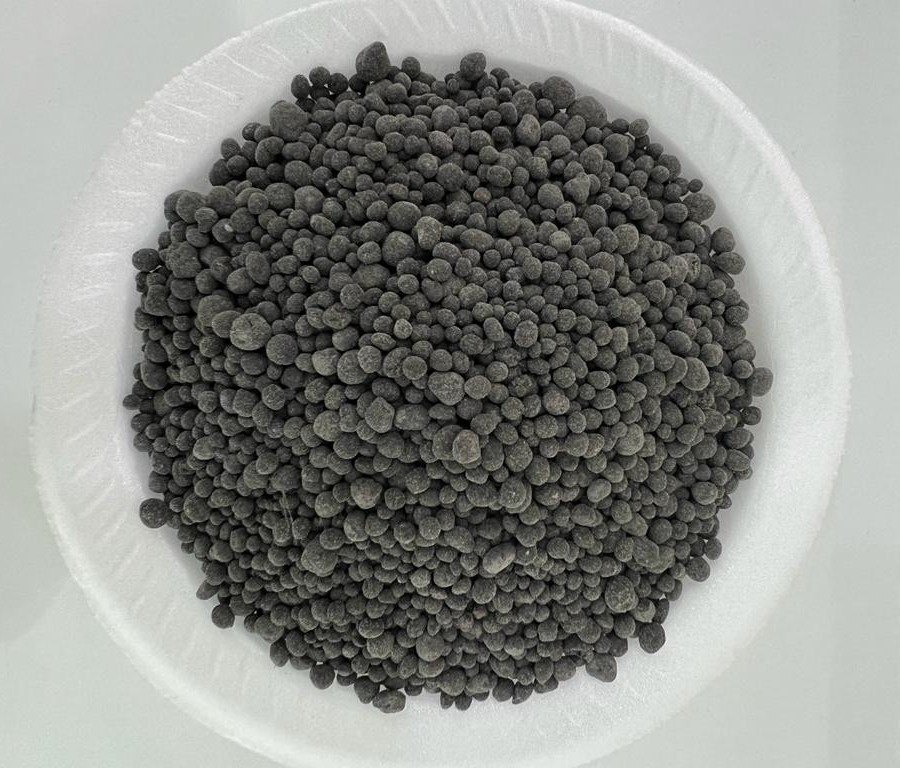
NPK Fertilizer
NPK fertilizer is a balanced, multi-nutrient fertilizer containing Nitrogen (N), Phosphorus (P), and Potassium (K) in varying ratios. Essential for vegetative growth, root development, and overall plant health. Available in granular (broadcast) and water-soluble (fertigation) forms. Custom blends like 20-20-20, 15-15-15, or 12-32-16.
Key Features:
- Balanced Formulation: Tailored N-P-K ratios for specific crops.
- High Solubility: Water-soluble options for drip irrigation.
- Controlled Release: Granular options for soil application.
- Enhanced Efficiency: Nitrification inhibitors available.
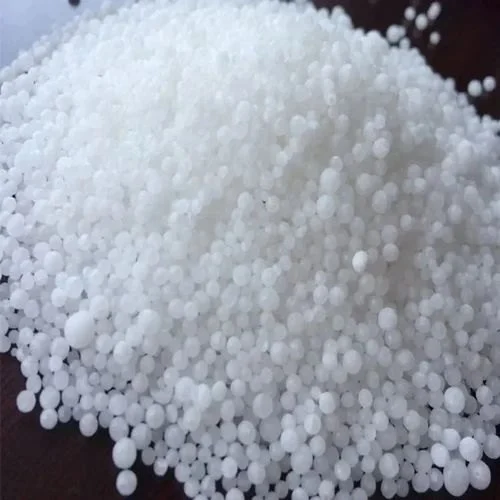
Urea
Urea (46-0-0) is the highest concentration nitrogen fertilizer available, containing 46% nitrogen in a white, granular or prilled form. It is the most widely used solid nitrogen source globally. Upon soil application, it hydrolyzes to ammonium carbonate, making nitrogen available to plants. Cost-effective and highly efficient for leafy growth.
Key Features:
- 46% Nitrogen: Highest N content among dry fertilizers.
- High Purity: Low biuret content (<1.5% for agricultural use).
- Versatile: Soil application, fertigation (if dissolved), or foliar spray.
- Prilled or Granular: Granular preferred for blending with other fertilizers.
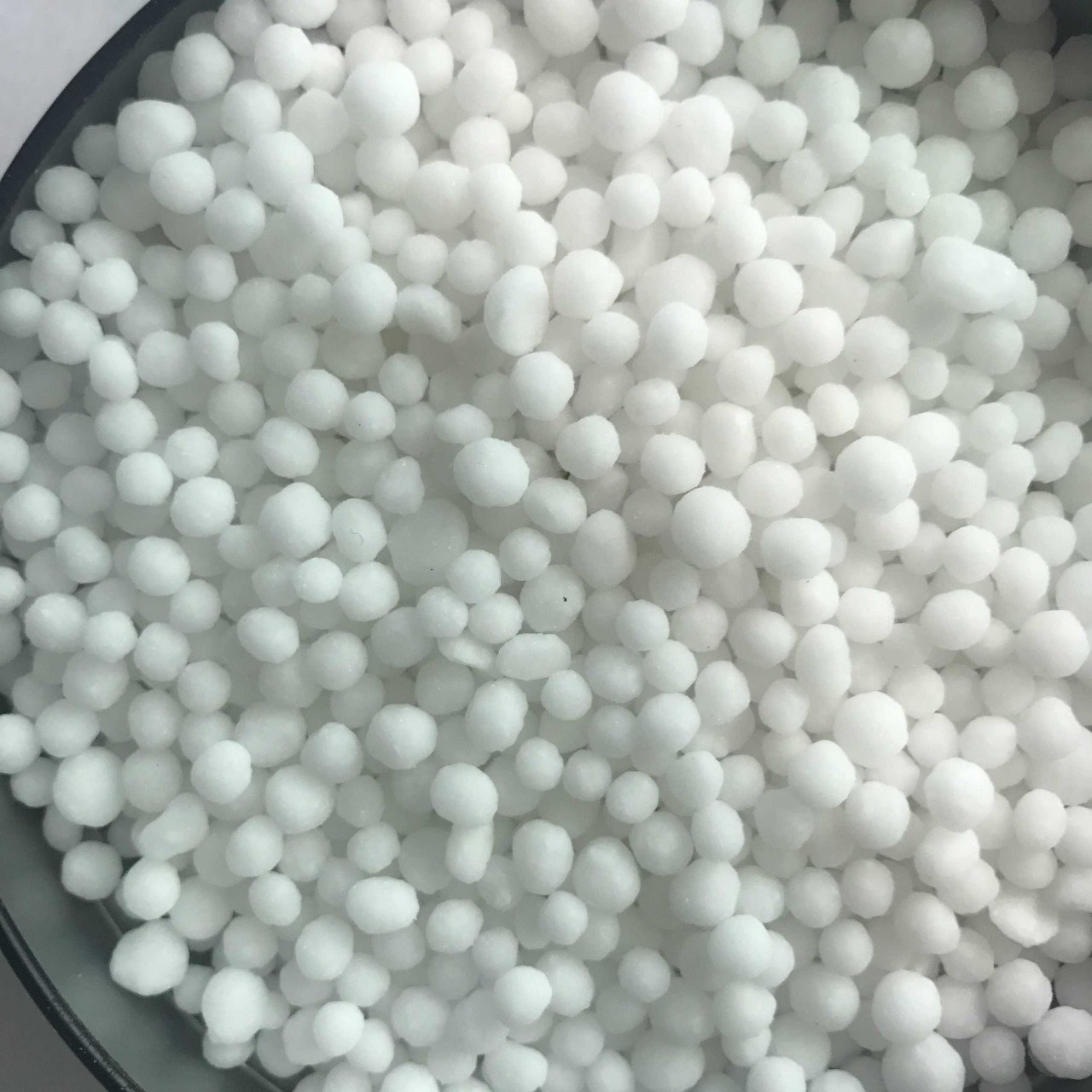
Ammonium Nitrate
Ammonium nitrate (AN) is a high-nitrogen fertilizer (33-34% N) that provides nitrogen in both fast-available nitrate form and slow-release ammonium form. It is highly soluble and rapidly absorbed by plants. Commonly used for top-dressing cereals, pastures, and vegetables. Often blended with limestone to produce Calcium Ammonium Nitrate (CAN) for safety and added calcium.
Key Features:
- Dual Nitrogen Forms: Nitrate (immediate) + Ammonium (slow).
- High Solubility: 100% water-soluble for fertigation.
- Rapid Response: Visible greening within days.
- Neutral to Slightly Acidic: Less soil acidification than urea.
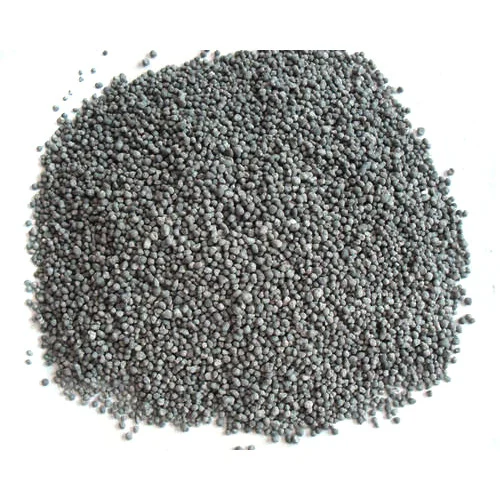
Superphosphate
Superphosphate is a phosphorus fertilizer produced by treating rock phosphate with sulfuric acid (Single Superphosphate - SSP, 16-20% P2O5) or phosphoric acid (Triple Superphosphate - TSP, 44-48% P2O5). It provides soluble phosphorus for root development, flowering, and fruiting. Also supplies calcium and sulfur (SSP) as secondary nutrients.
Key Features:
- Available Phosphorus: Water-soluble and citrate-soluble forms.
- Low pH: Suitable for alkaline soils (but can acidify neutral soils over time).
- Granular or Powder: Granular preferred for mechanical spreading.
- Affordable P Source: Especially SSP for cost-sensitive markets.
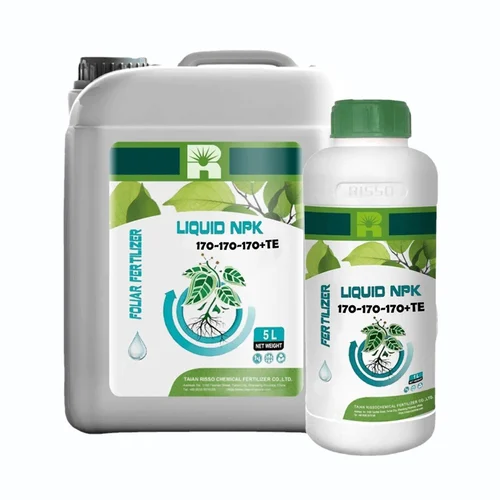
Liquid NPK Fertilizer
Liquid NPK fertilizer is a ready-to-use, water-soluble nutrient solution containing nitrogen, phosphorus, potassium, and often micronutrients. Designed for fertigation (drip irrigation), foliar spray, and hydroponic systems. Provides uniform nutrient distribution and immediate plant uptake. Available in various ratios (e.g., 12-6-6, 10-20-10, 0-0-50 for potassium-only).
Key Features:
- Instant Availability: No waiting for granule breakdown.
- Easily Mixable: Can be blended with pesticides and micronutrients.
- Reduced Waste: Accurate dosing via injectors.
- Low Salt Index: Safer for seedlings and sensitive crops.
DAP
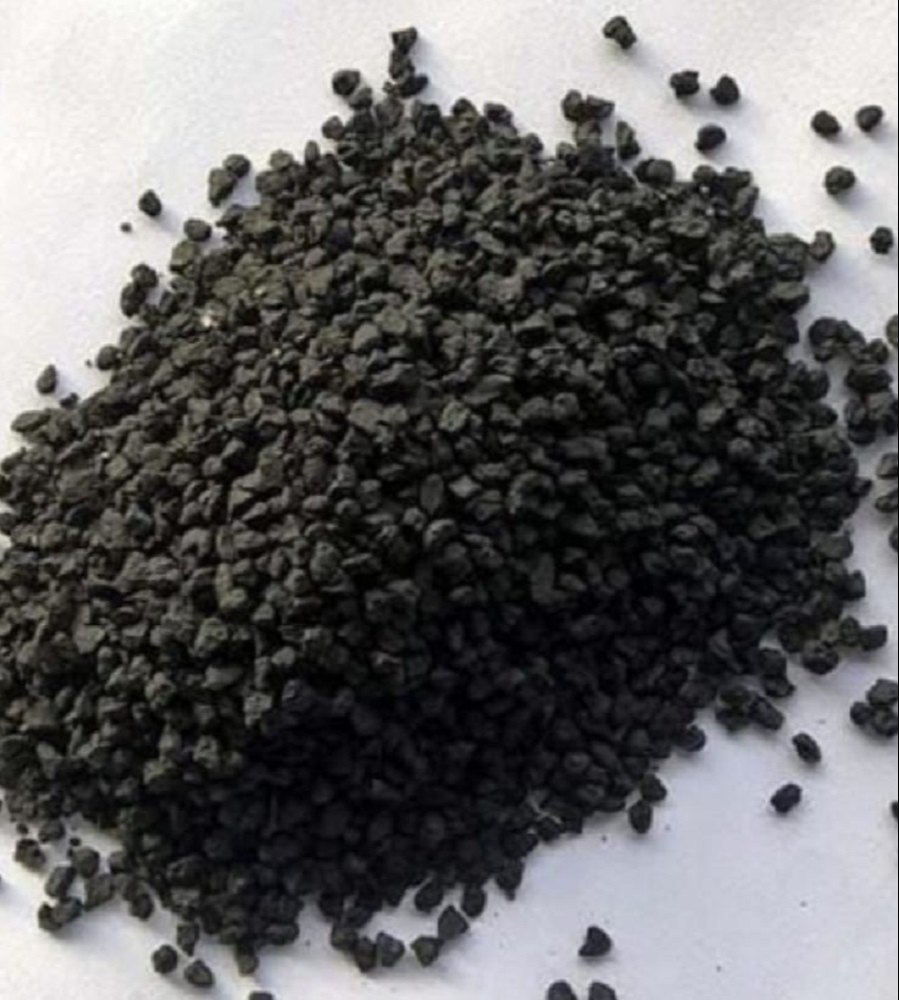
Diammonium phosphate (DAP, 18-46-0) is the world's most widely used phosphate fertilizer. It provides concentrated phosphorus (46% P2O5) and readily available ammonium nitrogen (18% N). DAP has a high pH (7.5-8.0) making it suitable for acidic soils. It is highly soluble and rapidly releases nutrients near the seed or root zone. Preferred for cereal crops like wheat, corn, and rice.
Key Features:
- High Nutrient Density: 64% total N+P2O5.
- Excellent Physical Properties: Hard, uniform granules that don't cake easily.
- Ammonium N: Resists leaching initially.
- Cost Effective: Economical source of both primary nutrients.
Potassium Chloride
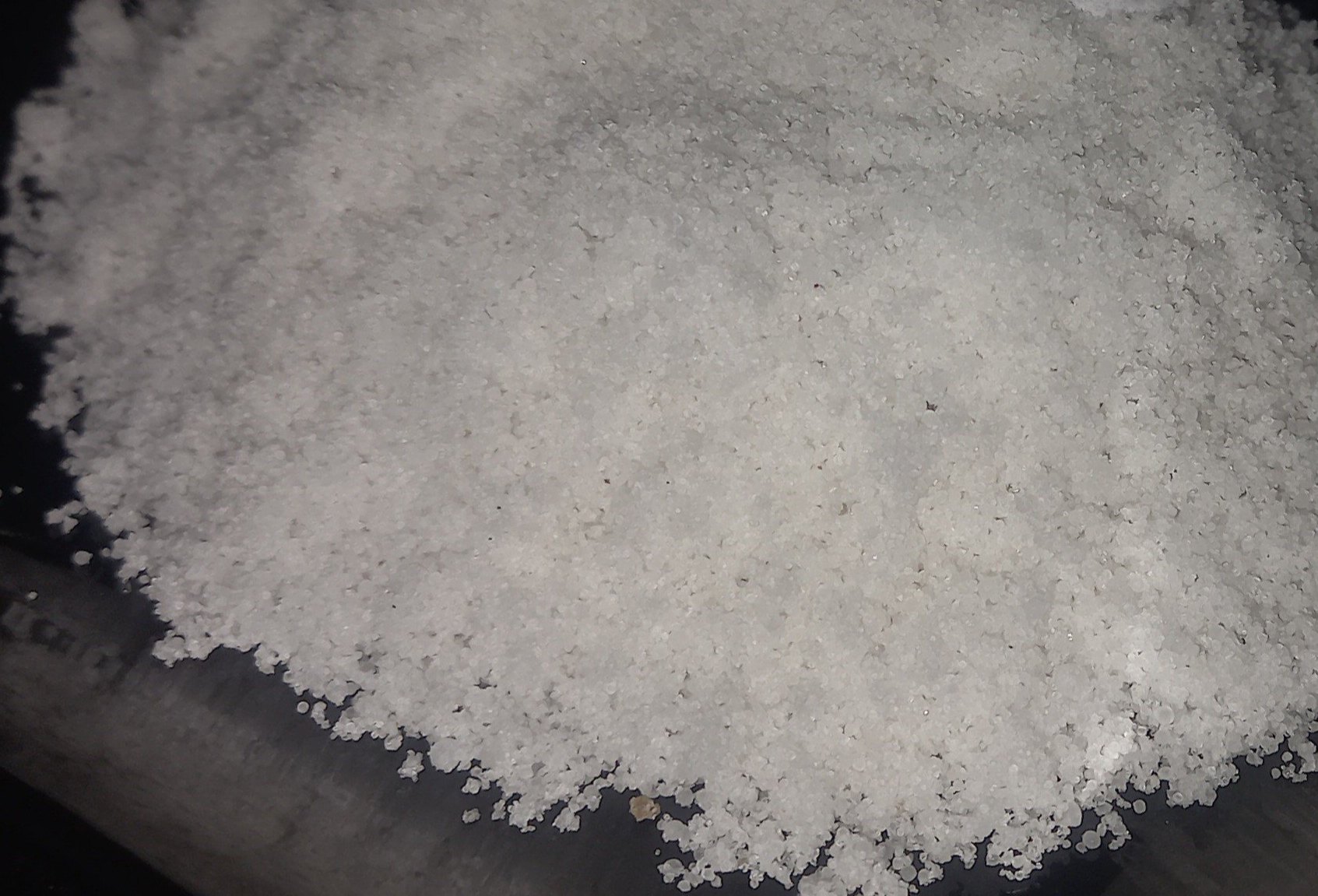
Potassium chloride (KCl, commonly known as Muriate of Potash or MOP, 0-0-60) is the most common and cost-effective potassium fertilizer. It contains 60-62% K2O and is essential for water regulation, enzyme activation, disease resistance, and crop quality. Standard grade is red/pink (due to iron impurities) or white (higher purity). Used for virtually all arable crops, especially potatoes, sugar beets, and fruits.
Key Features:
- Highest K2O Content: 60-62% – economical.
- Rapid Solubility: Quickly available to plants in moist soil.
- Granular or Standard: Granular for blending; fine for solutions.
- Widely Available: Mined from natural deposits.